 Skip to content
The Real Cost of Elevator Maintenance in Sri Lanka: Your Ultimate Guide
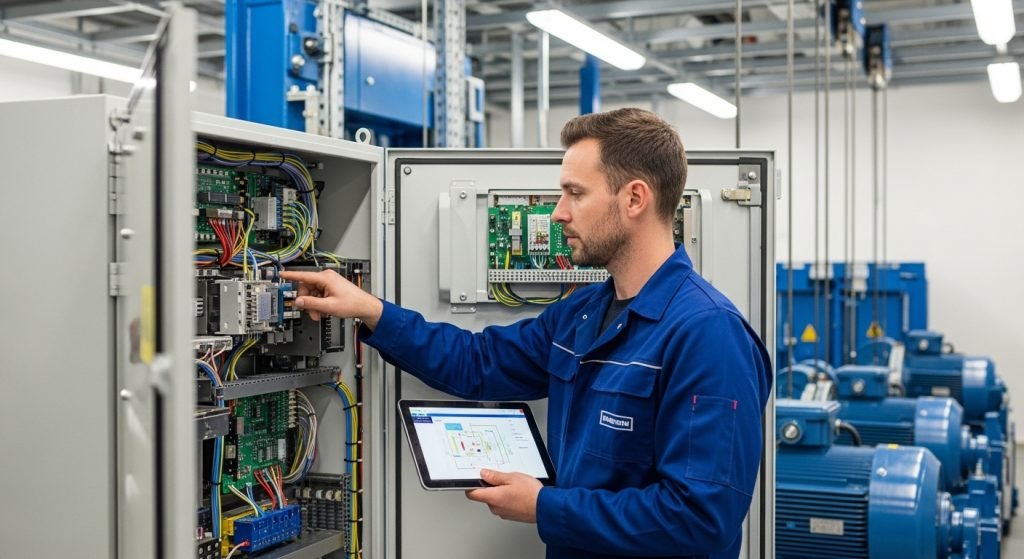
The elevator in your building is more than just a convenience; it’s a critical asset that ensures safety, accessibility, and smooth operations. But like any complex machinery, it requires regular maintenance to function optimally. For building owners and managers in Sri Lanka, a key question looms: What is the true cost of elevator maintenance?
While it’s difficult to find a single price tag, the cost is a dynamic figure influenced by a wide range of factors. This comprehensive guide will demystify elevator maintenance costs, helping you understand what you’re paying for and how to budget effectively for the long term.
The Most Important Factors That Influence Your Maintenance Bill
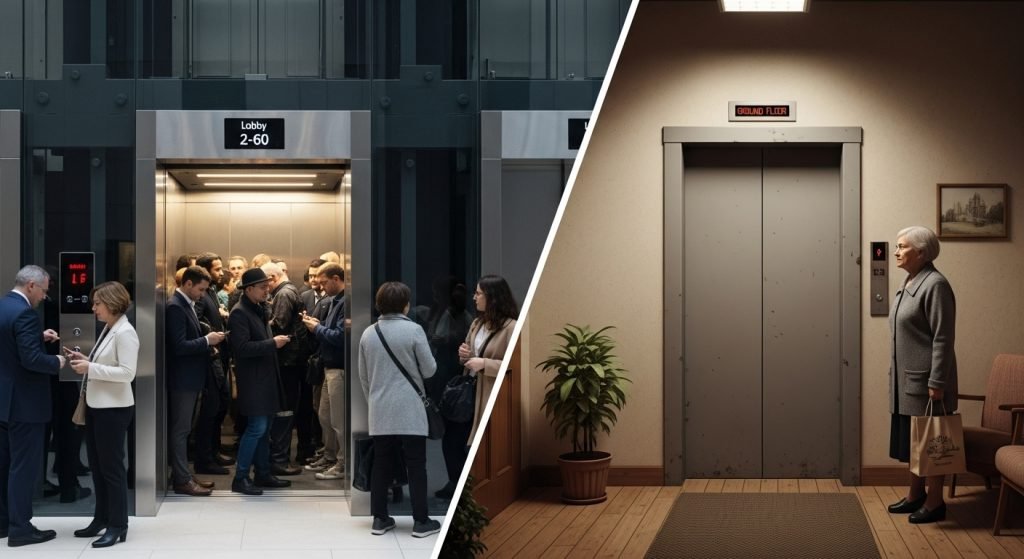
To understand the cost, you must first understand the variables that determine it. Maintenance costs are not fixed; they are a direct result of your elevator’s specific characteristics and usage patterns.
Type and Age of Your Elevator
The technology behind your lift is the single biggest factor influencing its maintenance needs. There are three primary types of elevators, each with different maintenance requirements and associated costs.
- Hydraulic Elevators: Commonly found in low-rise buildings, hydraulic elevators are known for their simplicity and lower initial cost. They use a piston and fluid to move the car. While they have fewer moving parts, they may require more frequent servicing of pumps and valves, and can develop fluid leaks over time.
- Traction Elevators (Geared and Gearless): Used in mid-to-high-rise buildings, traction elevators are faster and more energy-efficient. They use a system of ropes and counterweights, which means they have more moving parts that require regular inspection and lubrication. While parts and labor can be more expensive, these systems are generally more durable in the long run.
- Machine Room-Less (MRL) Elevators: These are becoming increasingly popular due to their space-saving design. They can be more difficult to service due to limited access, which can increase labor costs for technicians who may require specialized tools or more time.
The age of your elevator also plays a significant role. An older lift will have accumulated wear and tear on its components, leading to more frequent and costly repairs. Parts for older models can become obsolete, making them harder to source and leading to higher prices or the need for expensive retrofits.
Frequency of Use (Traffic)
This is a straightforward, yet crucial, factor. An elevator in a busy, high-rise commercial building that serves hundreds of people a day will naturally experience more wear and tear than a lift in a small residential villa. Higher usage accelerates the deterioration of key components like the motor, cables, and door mechanisms, which increases the likelihood of breakdowns and the need for more frequent servicing.
Maintenance Contract Type: Understanding Your Options
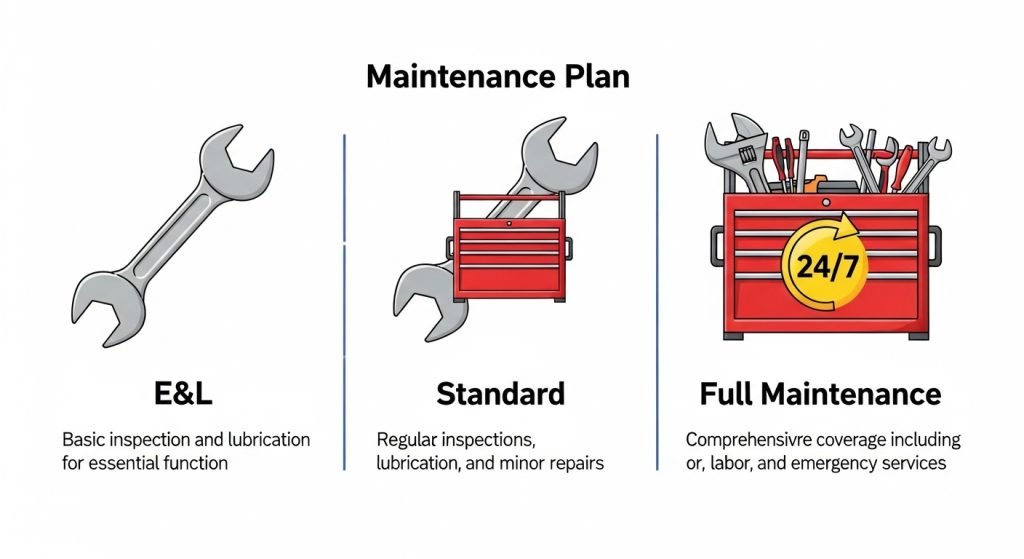
The maintenance plan you choose is a fundamental decision that dictates your costs and level of service. In Sri Lanka, you typically have three main options:
- Examination and Lubrication (E&L) / Limited Service: This is the most basic and lowest-cost plan. It includes scheduled visits for essential tasks like inspections, cleaning, and lubrication. However, it does not cover the cost of repairs or parts. Any unscheduled service calls or component replacements are billed separately on a time-and-material basis. This plan is often best for newer elevators with low usage.
- Standard/Comprehensive Maintenance: This plan offers a balance between cost and coverage. It includes all the services of an E&L plan plus coverage for minor repairs and some parts replacements. It’s a good choice for elevators with moderate usage and is designed to prevent unexpected breakdowns by addressing minor issues before they escalate.
- Full Maintenance: This is the most comprehensive plan and comes with the highest premium. A full maintenance contract includes all routine maintenance, as well as parts and labor for nearly all repairs, including major component failures. It provides a predictable, fixed cost for your elevator upkeep, which is ideal for older elevators or high-traffic buildings where you want to eliminate the risk of large, unexpected repair bills. Many comprehensive plans in Sri Lanka include 24/7 breakdown service and priority attendance for emergencies.
The Impact of Location and Labor Costs
Geographical location can also affect your maintenance costs. Buildings in remote or rural parts of Sri Lanka may face additional costs due to travel time for technicians and transportation fees for parts.
Furthermore, labor is a major component of the total cost. The expertise of the technician, the time required for a repair, and whether the service is needed after hours or on weekends will all affect the final bill.
Hidden Costs of Poor Maintenance
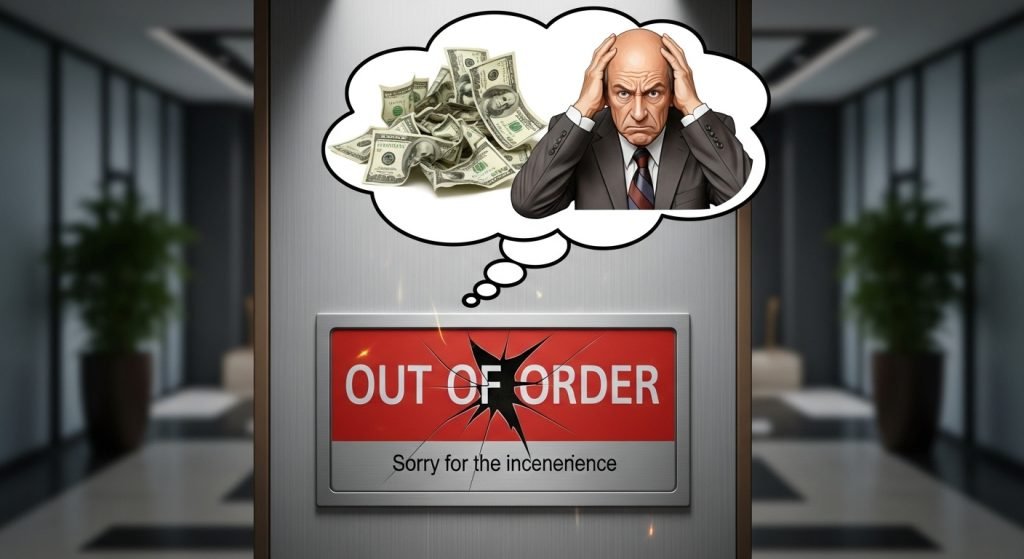
While a low-cost maintenance plan might seem attractive upfront, cutting corners can lead to significant long-term expenses. Ignoring regular maintenance can result in:
- Expensive Emergency Repairs: A minor, unaddressed issue can quickly turn into a major breakdown, requiring an emergency repair that can be significantly more expensive than a routine service call.
- Increased Downtime: An out-of-service elevator is a major inconvenience and can impact the productivity of a commercial building or the quality of life in a residential one.
- Safety and Liability Risks: Neglected maintenance can compromise safety features, putting passengers at risk and exposing building owners to legal liabilities. Regular inspections and checks are not just about cost-saving; they are about compliance and passenger safety.
- Shorter Lifespan: A well-maintained elevator can last for decades. Neglecting it will accelerate wear and tear, forcing you to consider a costly modernization or full replacement much sooner than necessary.
A Closer Look at Specific Repair Costs (Global Benchmarks)
While specific pricing for Sri Lanka is difficult to get without a direct quote, understanding global benchmarks can help you estimate and budget. According to international data, a single preventative maintenance visit can cost anywhere from LKR 1,500 to LKR 4,500, depending on the type of elevator and usage.
However, the real costs come from major repairs and part replacements. Here are some global cost ranges for common repairs to give you a clearer picture:
- Lift Motor Replacement: LKR 150,000 – LKR 600,000
- Control Panel Replacement: LKR 90,000 – LKR 450,000
- Cables/Pulleys Replacement: LKR 30,000 – LKR 150,000
- Hydraulic Fluid Replacement (for Home Lifts): LKR 15,000 – LKR 30,000 annually
These are just examples, and actual costs can vary significantly based on the make, model, and availability of parts. These costs highlight why a comprehensive maintenance plan, while seemingly expensive, can save you money by preventing these major component failures in the first place.
The Vortex Aventura Difference: Your Partner in Cost-Effective Maintenance in Sri Lanka

Navigating the complexities of elevator maintenance can be a challenge. You need a partner who understands the intricacies of elevator systems and can provide a transparent, cost-effective solution tailored to your needs.
Vortex Aventura (Pvt) Limited is a specialized lift maintenance service provider in Sri Lanka. We provide services for all elevator brands at the best rate in the market and offer unsurpassed after-sales service to our clients. We are considered one of the most cost-effective elevator maintenance companies in Sri Lanka.
Our goal is not just to fix problems, but to prevent them. We offer a range of customizable maintenance plans designed to fit your specific building, usage, and budget, ensuring your elevator is safe, reliable, and operates efficiently for years to come.
Conclusion
The cost of elevator maintenance is not a simple number—it’s an investment in your building’s safety, longevity, and operational efficiency. By carefully considering factors like elevator type, age, usage, and the details of your maintenance contract, you can make an informed decision that protects your investment and ensures peace of mind. While the final cost will always be unique to your situation, understanding the variables is the first step toward effective budgeting and long-term savings.
