 Skip to content
Passenger Elevator Features: What to Look for in 2025
Choosing a passenger elevator for your building in Sri Lanka is one of the most critical decisions you will make. It’s more than just a box that goes up and down; a modern elevator is a complex system of advanced features that impacts safety, efficiency, and the overall value of your property. While previous posts have covered how to choose a supplier and compare brands, this guide will provide a deep dive into the specific features you need to consider before making a purchase. By understanding the core components and cutting-edge technology, you can ensure your investment is a secure and valuable one for years to come.

Essential Passenger Elevator Features to Consider
When evaluating a new elevator, the first step is to understand its fundamental features and how they align with your building’s needs.
Capacity and Speed
The capacity of an elevator is measured by the number of passengers it can safely carry. Standard lifts carry 5 to 30 people, but this can vary depending on the model. The speed of the elevator is equally important, especially in commercial or high-rise buildings. In low-rise buildings with a few floors, a slower hydraulic lift may be sufficient, but high-rise towers require a fast, high-efficiency traction lift to manage traffic flow and reduce waiting times.
Safety Features: Your Top Priority
No feature is more important than safety. Modern elevators are equipped with a range of safety mechanisms to protect passengers.
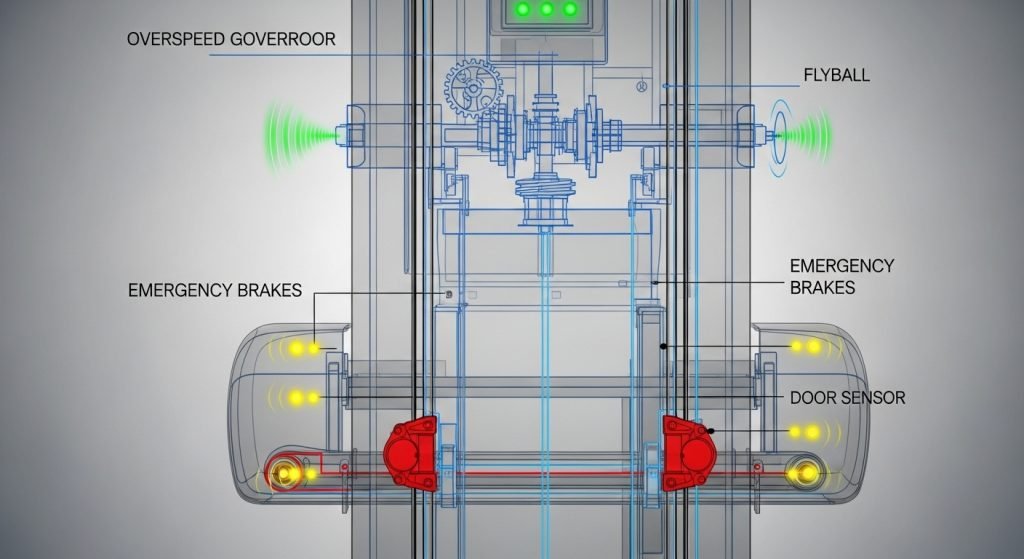
- Overspeed Governors and Emergency Brakes: This critical system prevents the elevator from descending too quickly. If an excessive speed is detected, the governor activates the emergency brakes, bringing the elevator to a safe, controlled stop.
- Light Curtains and Sensors: Located at the doors, these sensors create an invisible curtain of light. If a person or object breaks the light beam as the doors are closing, they will automatically reverse to prevent accidents.
- Overload Sensors: These sensors continuously monitor the weight inside the cabin. If the weight exceeds the designated capacity, the elevator will not move and will display a warning message, protecting both passengers and the machinery.
- Firefighter’s Service: This is a special operating mode that allows firefighters to bypass normal functions and take control of the elevator during a fire, enabling them to safely evacuate occupants.
- Emergency Communication: In the event of a power outage or malfunction, emergency lighting activates and an in-cabin telephone or intercom allows passengers to call for assistance.
Modern Elevator Technology for Comfort and Efficiency
Beyond the basics, modern lifts incorporate advanced technology that enhances the user experience and reduces operating costs.
Smart and Touchless Controls
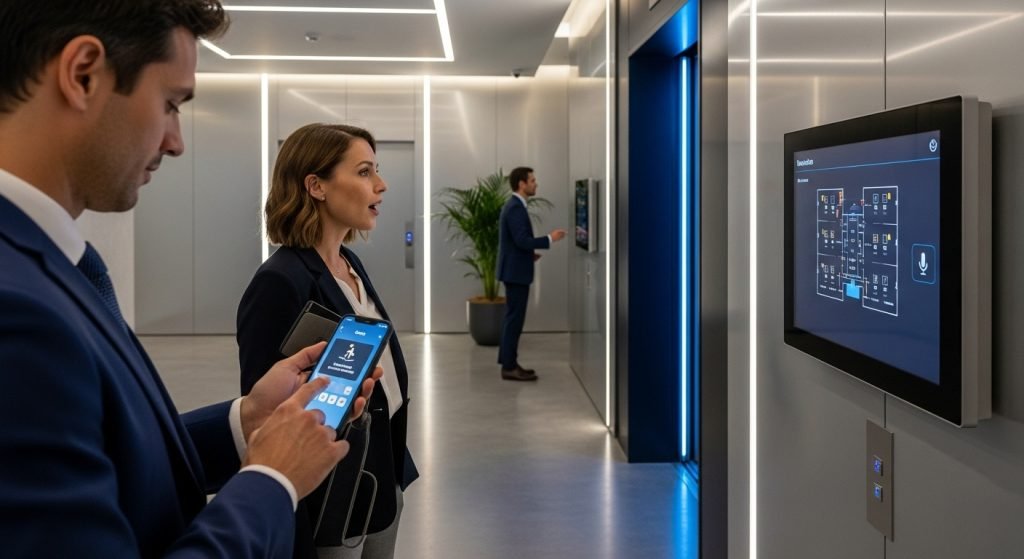
Touchless elevator technology is becoming a new standard for hygiene and convenience. These systems allow passengers to interact with the elevator without touching any surfaces.
- Voice Commands: Users can simply state their destination, and the elevator’s AI-enabled system will take them to the desired floor.
- Smartphone Apps: Mobile apps allow passengers to call the elevator and select their floor from their phone, offering a personalized and convenient experience.
- Destination Dispatch: Instead of pushing a button inside the elevator, passengers select their floor on a touchscreen in the lobby before entering. This intelligent system groups passengers with similar destinations and directs them to the most efficient elevator car, significantly reducing wait times and increasing traffic flow.
Energy Efficiency and Sustainability
With rising energy costs in Sri Lanka, energy-efficient features are a smart investment.
- Regenerative Drives: This technology captures the energy generated by the elevator’s descent and stores it for use during its ascent, which can lead to significant energy savings.
- LED Lighting and Standby Mode: Energy-efficient LED lighting and a standby mode that conserves power when the elevator is not in use further reduce the elevator’s carbon footprint and lower long-term operating costs.
The Right Features for Your Project in Sri Lanka
The best elevator features for your building depend on its purpose and traffic flow.
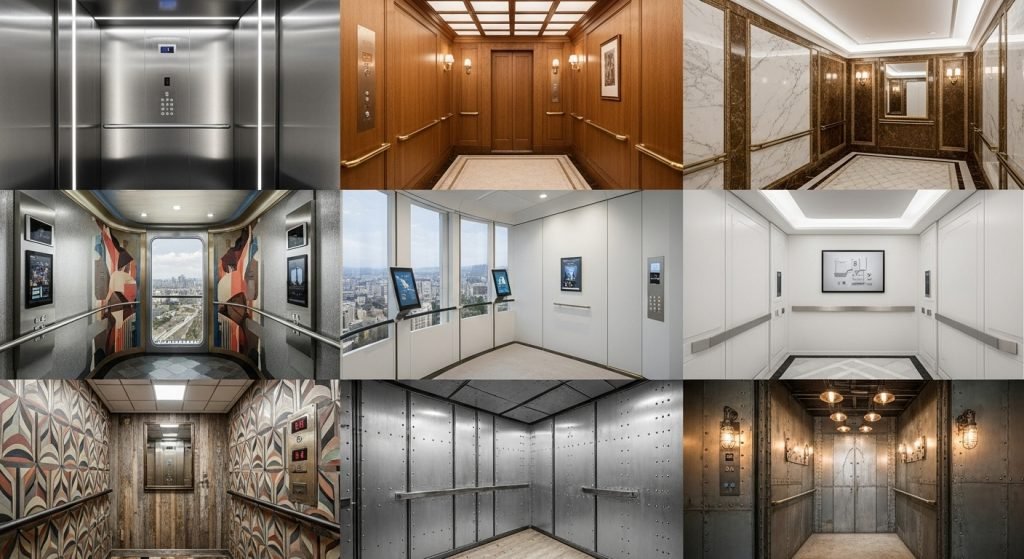
- For Residential Buildings: Focus on a smooth, quiet ride, elegant aesthetic designs, and essential safety features like emergency communication.
- For Commercial Buildings: Prioritize speed, high capacity, and efficiency-enhancing features like destination dispatch to handle heavy traffic and ensure smooth operations.
Conclusion
Choosing the right passenger elevator features is a complex but crucial task. It involves balancing the core technical specifications with advanced safety, modern technology, and aesthetic design. By selecting features that align with your building’s purpose and traffic needs, you can ensure a safe, efficient, and visually appealing vertical transportation system that adds significant long-term value to your property.
For expert guidance on selecting the perfect elevator for your project, contact our team at Vortexaventura for a personalized consultation today.
