 Skip to content
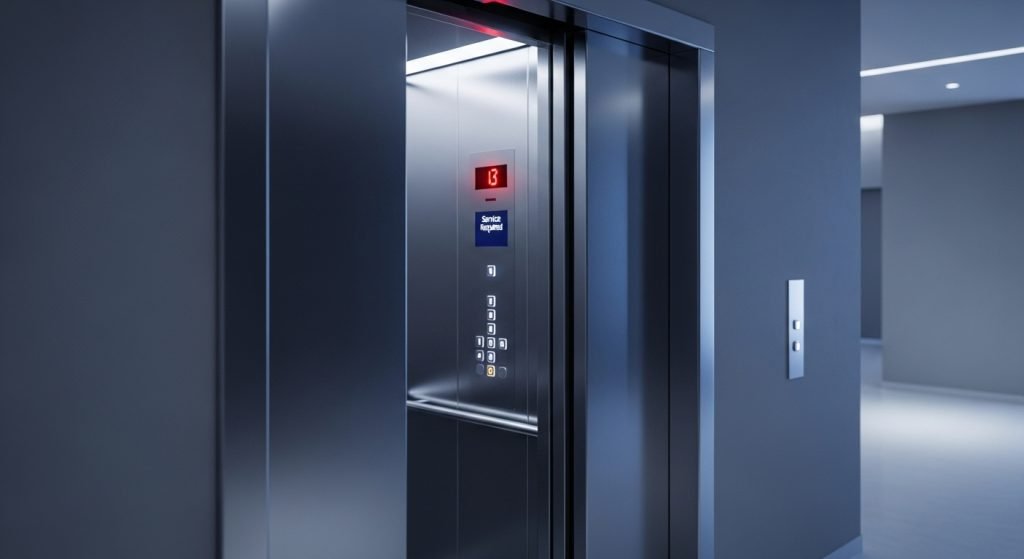
Common Elevator Problems & How to Fix Them: The Ultimate Guide for Building Owners
Introduction
Elevators are the arteries of any multi-story building, providing seamless vertical transportation that is essential for both convenience and accessibility. However, like any complex mechanical system, they are prone to issues. When an elevator breaks down, it’s more than just an inconvenience; it can be a significant disruption to daily operations, a safety concern, and a source of frustration for tenants and visitors. For building owners and property managers in Sri Lanka, understanding the most common elevator problems and knowing how to address them is crucial for maintaining a safe and efficient property.
This in-depth guide goes beyond surface-level fixes. We’ll cover the most frequent elevator problems, provide a clear diagnosis of their causes, and offer actionable steps you can take. While some issues require the immediate attention of a qualified technician, many minor problems can be prevented or temporarily resolved with the right knowledge. Our goal is to empower you to handle these situations with confidence, minimizing downtime and ensuring the long-term reliability of your vertical transportation system.
The Pesky Problem of Malfunctioning Doors

Elevator doors are the most used and, consequently, the most common point of failure in an elevator system. A door that won’t open or close properly can render an entire lift unusable and poses a significant safety risk.
Causes of Door Malfunctions
- Obstructions: The most straightforward cause. Debris, dirt, or small objects get lodged in the door tracks, preventing smooth operation.
- Worn-out components: Over time, door rollers and tracks can wear down, leading to misalignment and jerky movements.
- Faulty sensors: Modern elevators use safety sensors (photo eyes or light curtains) to detect people or objects. If these sensors are dirty, misaligned, or damaged, they can cause the doors to “bounce back” or fail to close.
- Door operator issues: The motor and control system that power the doors can malfunction, leading to a complete failure to open or close.
How to Fix & Prevent Door Issues
- Clean the tracks: Regularly inspect and clean the door tracks and sills to remove any dirt or debris. This simple action can prevent a majority of door-related service calls.
- Check the sensors: Use a soft, dry cloth to clean the photo eyes on the edge of the doors. Make sure nothing is physically blocking the sensor’s beam.
- Listen for sounds: Pay attention to squeaking or grinding noises, which can indicate a need for lubrication or that a component is wearing out.
- When to call a professional: If cleaning and simple checks don’t solve the problem, or if the doors are visibly misaligned or damaged, a technician is required to diagnose and repair the door operator or other internal components.
Unsettling Vibrations and Unusual Noises

An elevator ride should be smooth and quiet. Any unusual sound—be it a grinding, squealing, or rattling—or a sudden, jerky movement is a clear warning sign that something is wrong.
The Root Cause of Elevator Noises
- Lack of lubrication: Squealing sounds often mean that moving parts, such as the pulleys or rollers, need lubrication.
- Worn-out components: Grinding or clicking noises can indicate worn-out bearings, gears, or other mechanical parts in the machine room.
- Loose parts: Rattling can be as simple as a loose bolt or as serious as a misaligned guide shoe.
- Misalignment: When the guide rails are not perfectly aligned, the elevator car can shake or vibrate during travel.
Troubleshooting Noises and Vibrations
- Listen carefully: Try to pinpoint the source of the sound—is it coming from the machine room, the top of the car, or the door tracks? This information can be invaluable for your service technician.
- Visual inspection: Look for visible signs of wear and tear, loose bolts, or debris around the pulleys and cables.
- When to call a professional: Almost all strange noises or vibrations warrant a service call. These are symptoms of mechanical problems that can escalate into a major breakdown if ignored. Do not attempt to fix or lubricate complex internal machinery yourself.
The Dreaded Sudden Stop & Electrical Issues
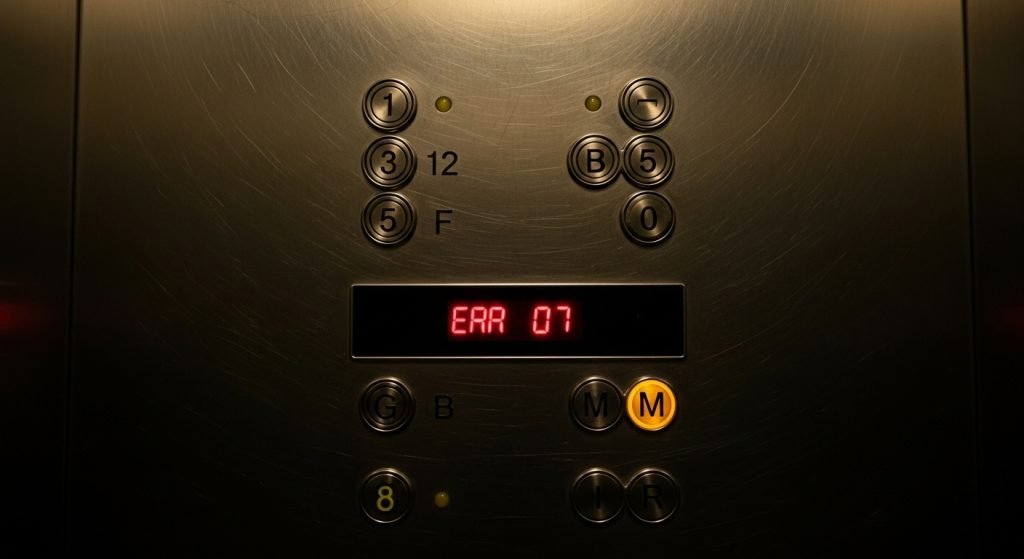
Nothing is more alarming than an elevator that stops mid-travel. This can be caused by a variety of issues, ranging from a simple power fluctuation to a complex electrical fault.
Common Electrical Problems
- Power failures: A power outage or a tripped circuit breaker can cause an elevator to stop. Many lifts have a battery backup for emergency lighting and communication, but they won’t operate until the main power is restored.
- Controller malfunctions: The elevator’s control system is its brain. A software glitch or a faulty control board can cause the lift to behave erratically, stop between floors, or become unresponsive.
- Faulty wiring: Damaged or frayed wiring can disrupt communication between components, leading to unpredictable stops and other issues.
- Overheating: The elevator’s motor and control systems can overheat, especially during heavy usage or if the machine room is not properly ventilated, causing an automatic shutdown.
What to Do During an Electrical Issue
- Check the power: First, check your building’s main power supply and the dedicated circuit breaker for the elevator. A simple reset might resolve a minor issue.
- Look for error codes: The elevator’s control panel or the diagnostic display in the machine room may show an error code that can help your technician diagnose the problem faster.
- When to call a professional: For any issue beyond a simple circuit breaker reset, a certified technician is essential. Electrical problems can be dangerous and should never be handled by untrained personnel.
Uneven Floor Leveling
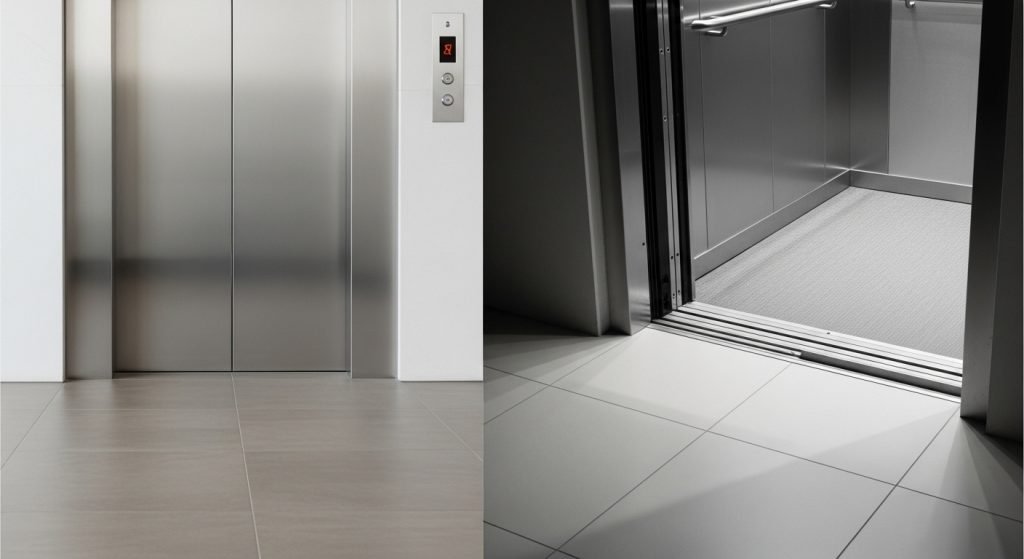
When the elevator car doesn’t stop flush with the floor, it creates a tripping hazard for passengers. This issue, also known as “misleveling,” is a common problem in older elevators but can also happen in modern ones.
Causes of Misleveling
- Worn-out components: Misleveling can be caused by wear on the brake system, guide shoes, or leveling sensors.
- Controller calibration: The elevator’s control system may need to be recalibrated to ensure it stops precisely at each floor.
- Rope stretch (for traction elevators): Over time, the hoist ropes can stretch, affecting the car’s position relative to the floors.
- Hydraulic fluid issues (for hydraulic elevators): In hydraulic lifts, low fluid levels or fluid contamination can lead to irregular leveling.
How to Address Misleveling
- Observe and report: Note which floors have the leveling problem. Is it consistent or intermittent? This helps the technician.
- When to call a professional: Misleveling is a clear sign that a professional inspection is needed. A technician will be able to diagnose the specific cause, whether it’s a mechanical issue or a control system problem.
Slow Operation and Extended Wait Times
If your elevator is moving sluggishly or the wait times are unusually long, it can be a source of frustration for everyone in the building.
Causes of Slow Performance
- Outdated control systems: Older relay-based controllers are far less efficient than modern, microprocessor-based systems.
- Overloading: An overloaded elevator may slow down or refuse to move altogether.
- Mechanical friction: Insufficient lubrication can create friction that slows down the motor.
- Programming issues: The elevator’s dispatch system may need to be reprogrammed to optimize traffic flow.
What to Do About Slow Elevators
- Monitor usage: Is the elevator busy during peak hours? Consider adding a second lift or modernizing the existing one if traffic is consistently high.
- Regular maintenance: A well-maintained elevator with proper lubrication and clean components will always run more efficiently.
- When to call a professional: A technician can perform a comprehensive audit of your elevator’s performance. They can recommend a modernization plan to upgrade the control system or other key components to improve speed and efficiency.
Proactive Maintenance: The Best Fix of All
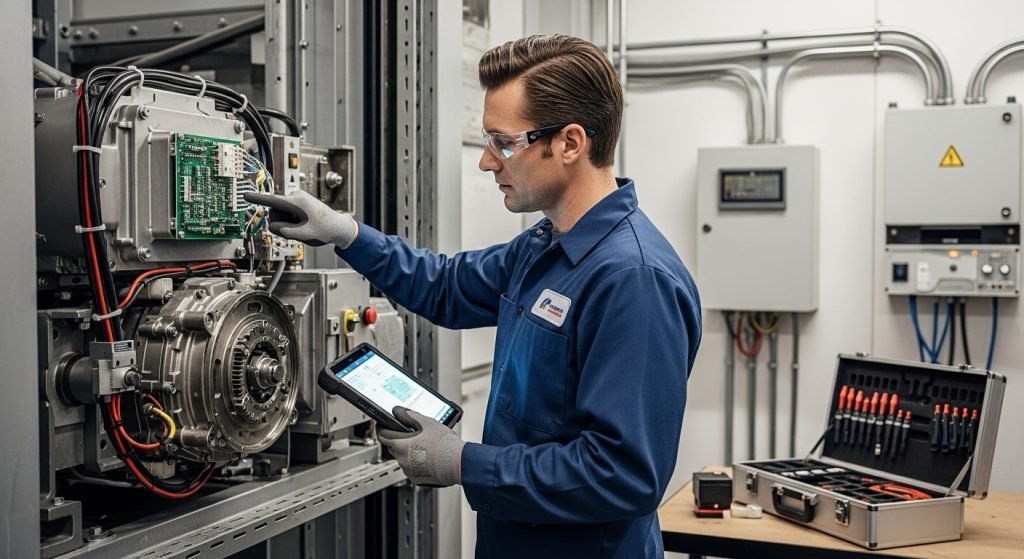
While troubleshooting is important, the best way to deal with elevator problems is to prevent them from happening in the first place. A proactive maintenance schedule is the single most important investment a building owner can make.
A Strong Elevator Maintenance Contract Should Include:
- Regular Inspections: Weekly, monthly, and quarterly checks of all major components.
- Lubrication: Proper lubrication of all moving parts to prevent wear and tear.
- Safety System Checks: Regular testing of emergency brakes, communication systems, and fire service operations.
- Documentation: A detailed log of all maintenance activities, repairs, and parts replaced.
By choosing a reputable and licensed elevator maintenance company, you can ensure your elevator systems are always in top condition, reducing the risk of unexpected breakdowns and costly emergency repairs.
Conclusion: Your Path to a Reliable Elevator System
Elevator problems, from a minor door issue to a complete electrical shutdown, can be a major headache. However, by understanding their common causes and knowing when to take action versus when to call a professional, you can keep your building running smoothly. Remember, the key to long-term elevator reliability and safety lies in proactive, routine maintenance and a strong partnership with a trusted service provider.
Next Step: Contact Us for a Consultation
Don’t wait for a problem to arise. Contact vortexaventura today for a professional elevator audit and a no-obligation quote for a comprehensive maintenance plan tailored to your building’s needs. Ensure the safety and satisfaction of your tenants with our expert team and state-of-the-art service.
